

Tattoo Shop Furniture: Gothic Furniture with Attitude
Tattoo shop furniture shapes what a client thinks of your work long before the first stencil goes on. A studio with a folding chair and a laminate counter says one thing. A studio where a black throne stands under a chandelier says something else entirely: this place has a hand of its own. Casa Padrino supplies luxury furniture in the baroque style to clients around the world, and the black end of that range, carved, tufted and studded, is exactly what a shop needs when it wants gothic furniture that looks deliberate rather than improvised.
One thing up front, because it saves everyone time: Casa Padrino does not carry tattoo beds, client chairs for the booth, armrests, workstations or any medical equipment. Those come from specialist studio suppliers. What comes from us is everything in front of the booth: the waiting area, the front desk, the consultation corner, the shop window and the wall where clients photograph their fresh ink. That is where a studio earns its reputation as a place worth walking into.
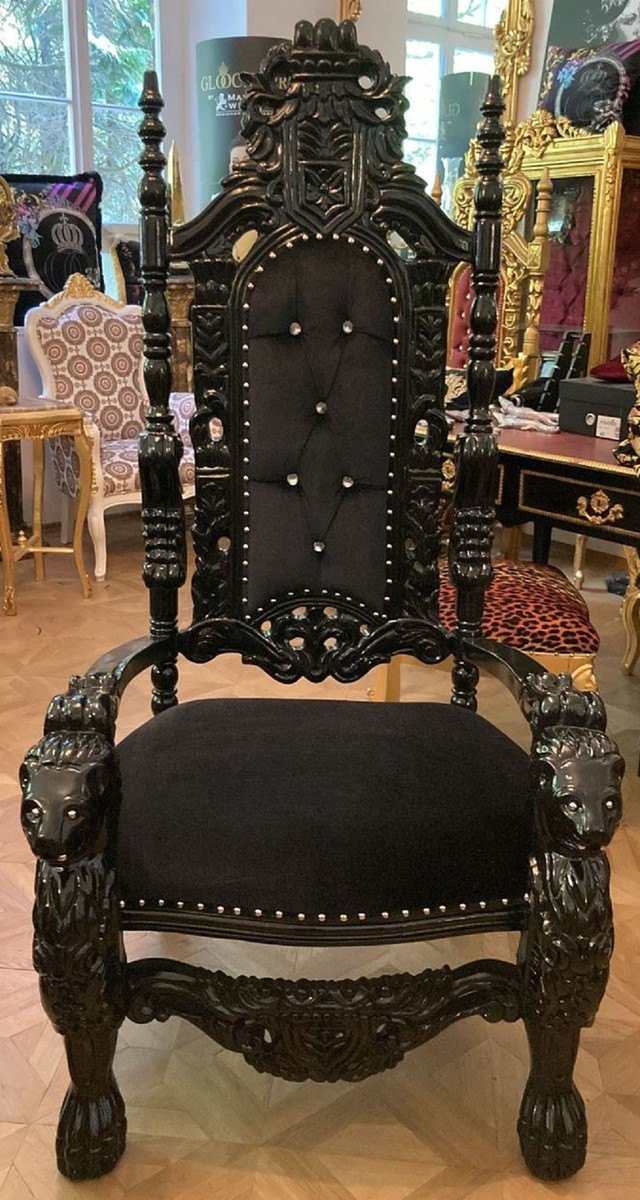
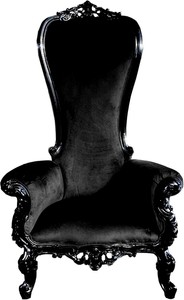
A black-on-black throne armchair gives the waiting area its signature piece and its photo spot. Pictured: Casa Padrino luxury baroque throne armchair black / black
Zoning a Studio: Where Tattoo Shop Furniture Belongs
Think of the shop as five zones. The window and entrance have about three seconds to stop a passer-by. The front desk handles bookings, deposits and aftercare talk. The waiting area is where nerves settle. The consultation corner is where a design is discussed over a portfolio. The work area is where the tattooing happens.
That last zone is off limits for upholstery and carving. Local hygiene regulations generally call for smooth, non-porous surfaces that can be wiped down and disinfected, and velvet or deep carving cannot meet that standard. Check the rules that apply where you operate, keep the booth clinical, and put the character into the four zones before it.
For planning, keep walkways at 90 cm (about 36 inches) so two people can pass, and leave the route from door to desk free of furniture. In a small shop, one strong piece beats five timid ones.
The Throne Chair: Signature Piece and Photo Spot
If a shop buys only one statement piece, it should be a throne chair. A high backrest of 150 to 190 cm rises above head height, frames whoever sits in it and reads clearly from the street. It needs a footprint of roughly 1 x 1 m plus a little air on each side, so even a narrow storefront can take one.
The real value shows after the session. Clients want a picture of the finished piece, and a carved black throne is a far better backdrop than a bare wall. Every photo posted from that seat carries your interior with it, which is reach you do not pay for. Place the throne against a calm wall, light it from the front and slightly above, and keep the studio name or logo within the frame.
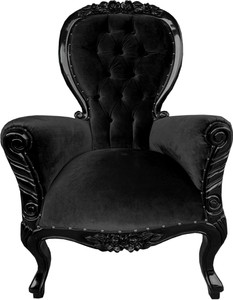
As a tattoo shop chair for the lounge rather than the booth, the throne can be paired with smaller pieces from the luxury baroque armchairs: black frames with black, purple or bordeaux upholstery keep the look consistent without repeating the same silhouette.
Waiting Area: Gothic Couch, Gothic Chair and the Right Upholstery
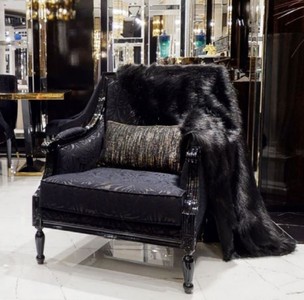
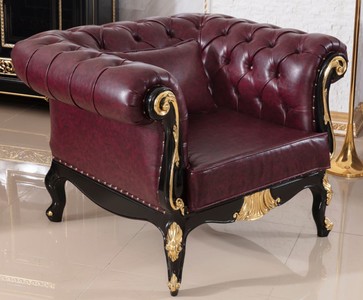
Clients often arrive with a friend, and sessions overrun. Plan seating for at least three to four people per working artist. A two or three seater from the baroque sofas makes a convincing gothic couch when it comes in black with deep button tufting. Where the room is too narrow for a sofa, two armchairs set at a slight angle with a small side table between them do the same job.
A comfortable seat height sits between 42 and 48 cm (roughly 17 to 19 inches). Lower than that and people struggle to get up, which matters when someone has just had a calf or thigh piece done. Allow 40 to 45 cm between seat edge and coffee table.
The choice of cover is practical before it is aesthetic:
- Leather and faux leather wipe clean, shrug off drink spills and suit high traffic.
- Velvet looks richer and absorbs light beautifully, but it needs regular brushing and shows pressure marks.
- Studded or rhinestone trim adds edge to a plain black cover and photographs well.
A sensible split is leather on the seats used all day and velvet on the showpiece. A single gothic chair in purple velvet beside a black leather sofa is enough to keep the room from looking flat.
Front Desk and Consultation Corner
A shop counter built from board hides the room behind it. A carved desk does the opposite. Pieces from the baroque desks range work well as a front desk: a top around 75 to 80 cm high and at least 140 cm wide takes a card terminal, a tablet for bookings, consent forms and a stack of portfolios, with drawers for everything that should stay out of sight.
Seat the person at the desk so they face the door. For consultations, set two chairs on the client side at the same height as yours: a design conversation goes better at eye level. A slim console behind or beside the desk holds aftercare products and business cards.
Mirrors and Light: Showing the Work Properly
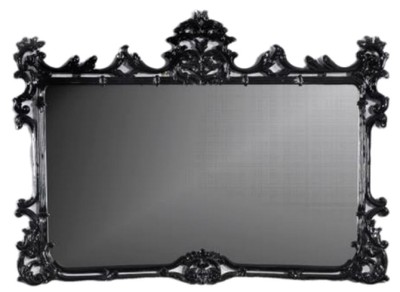
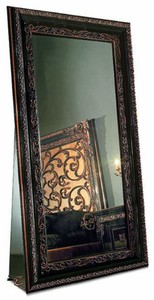
Every client wants to see the result, and a back or shoulder piece cannot be judged in a hand mirror. A large wall mirror or a floor-standing model from the baroque mirrors solves that. Hang wall mirrors with the center at about 150 to 160 cm from the floor. A standing mirror of around 2 m shows the full figure and can be moved when the layout changes.
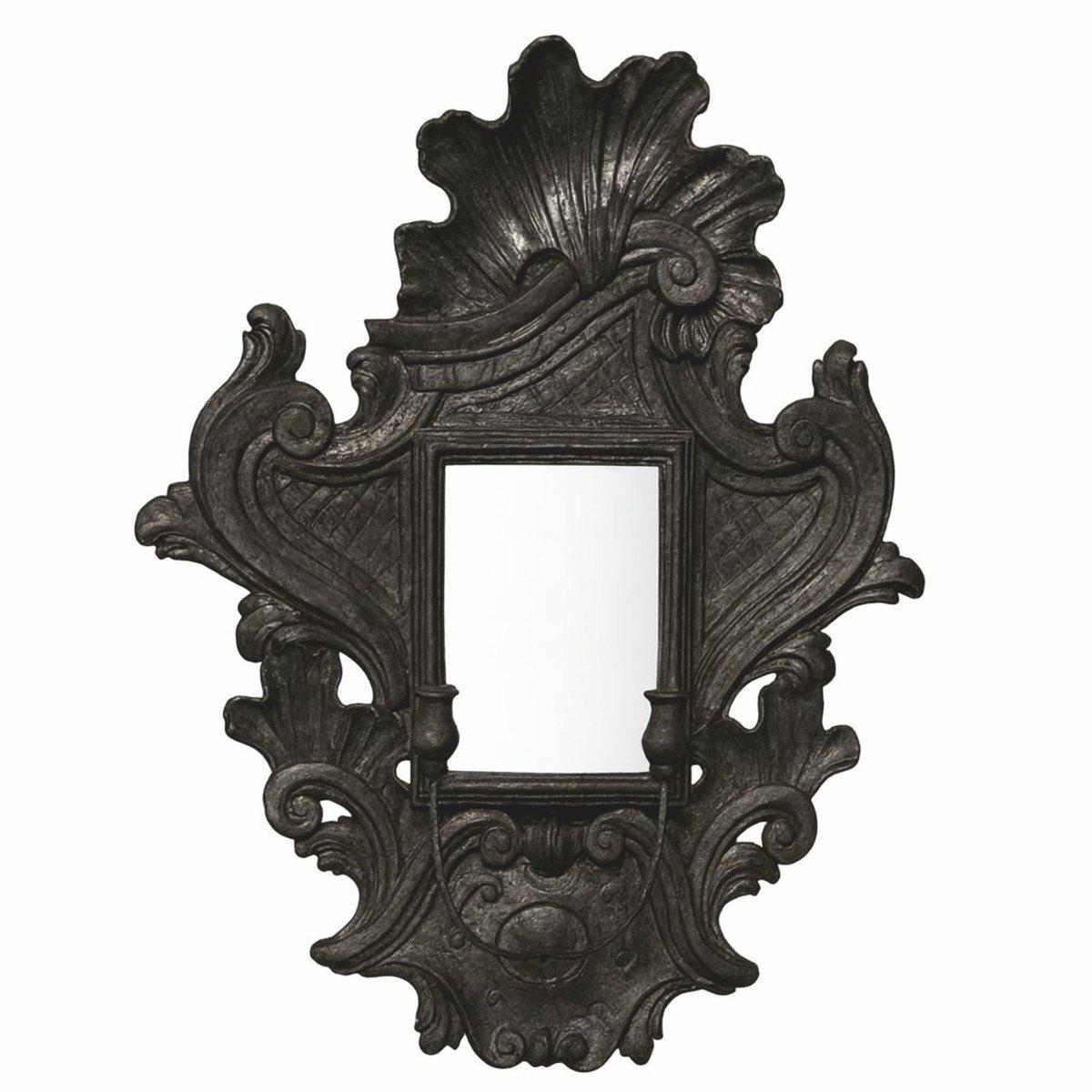
The black baroque mirror with candle holders, 85 cm high, suits the wall beside the front desk. Pictured: Casa Padrino Luxury Baroque Mirror with Candle Holder Antique Black H. 85 cm
Avoid placing a mirror directly opposite the shop window if the sun hits it, since glare will blind whoever sits facing it. Opposite a dark wall, on the other hand, a mirror doubles the available light, which a black interior always needs.
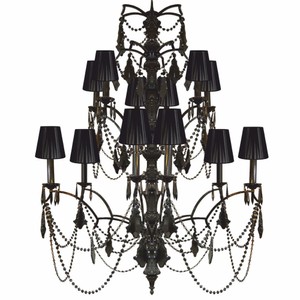
Plan lighting in two separate circuits. Front of house wants warm light around 2,700 K: flattering, calm and close to candlelight. Black and silver models from the baroque chandeliers carry that mood and fill the ceiling, the one surface most shops forget. Keep at least 200 cm of clearance beneath a chandelier over a walkway. Above a desk or coffee table it can hang lower.
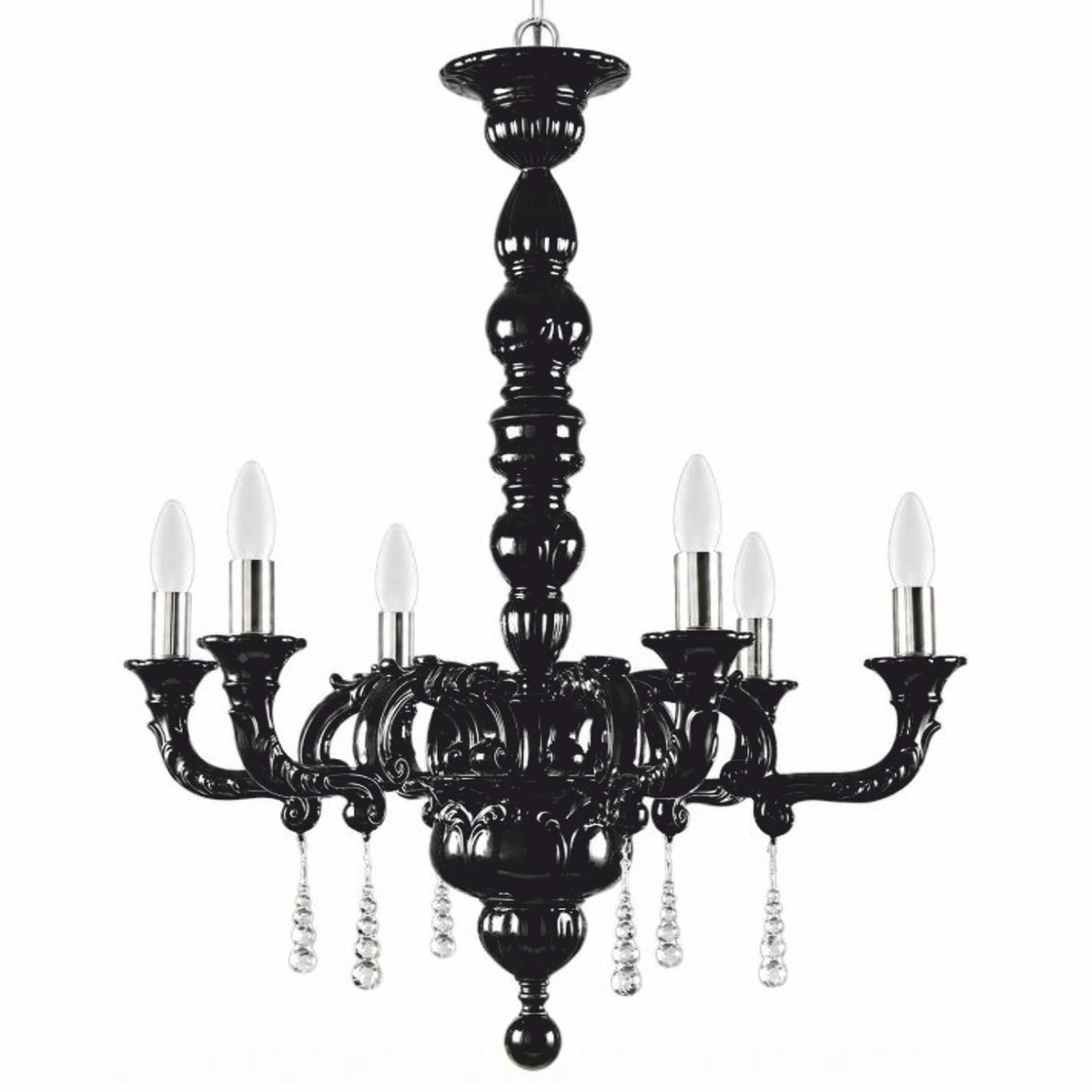
The black and silver porcelain chandelier sets the mood above the front desk or the waiting area. Pictured: Casa Padrino Luxury Baroque Porcelain Chandelier Black / Silver Ø 68 x H. 135 cm
The booth needs the opposite: bright, neutral, shadow-free task light so colors read true. Put it on its own switch and keep the two worlds apart.
Tattoo Shop Decor: Skulls, Ravens and a Disciplined Palette
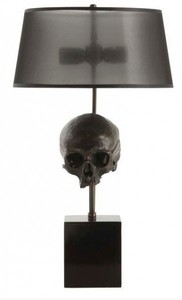
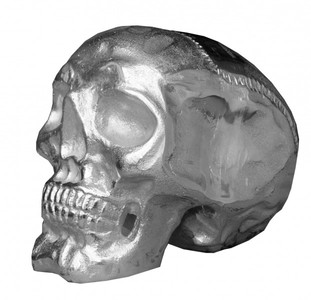
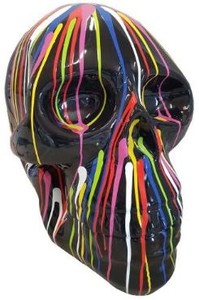
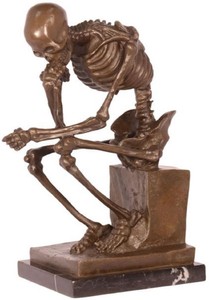
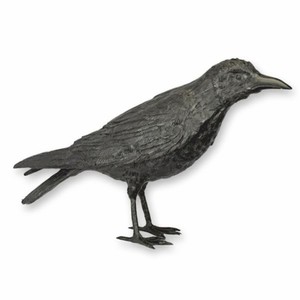
The skull is one of the oldest motifs in tattooing and in art history alike. In vanitas painting it stood for memento mori, the reminder that life is short, and old-school flash has kept it alive ever since. That makes skull sculptures the most natural piece of tattoo shop decor there is. A large one, around 66 cm high, can hold a shop window alone. Smaller metal skulls, a bronze raven or a seated skeleton figure belong on the desk or console.
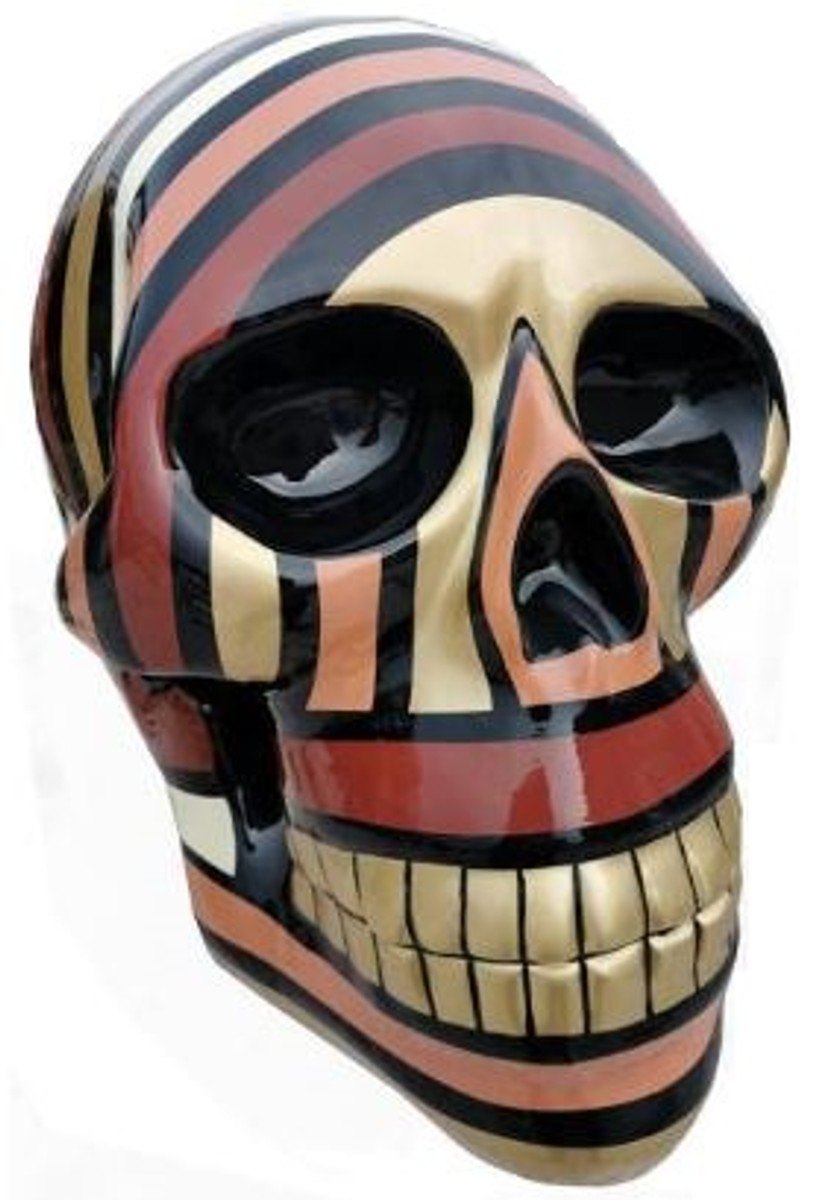
At 66 cm high, the skull sculpture in black, brown and gold holds a shop window on its own. Pictured: Casa Padrino designer decorative figure skull black / brown / gold 44 x 58 x H. 66 cm
Group objects in threes at staggered heights and then stop. A console with one candelabra, one skull and one bronze reads as curated. Twelve objects read as clutter and collect dust. The seasonal pieces in our Halloween furniture guide follow the same logic and suit a shop that changes its window in October.
For color, black is the base. Add one accent only: bordeaux, purple, gold or silver. Gold warms the room and leans baroque. Silver cools it and leans rock. Black walls absorb a great deal of light, so plan for noticeably more lamps than a white room would need, or keep the ceiling light and paint only the walls. More on combining these elements is in our overview of gothic furniture.
Contract Projects: Studios, Barbershops, Bars and Clubs
The same pieces furnish far more than tattoo studios. Typical settings include:
- piercing studios and barbershops, where a throne doubles as a waiting seat
- rock bars, clubs and lounges with VIP corners
- fashion and jewelry boutiques with an alternative edge
- photo studios that need a striking set
- private apartments furnished in the gothic style
Casa Padrino works with studio owners, shop chains, architects and interior designers. Matching pieces can be ordered in quantity when several locations should share one look, and custom dimensions, covers or finishes are possible on request. Delivery is worldwide.
Caring for Black Lacquer, Leather and Velvet
Black shows dust faster than any other finish, so upkeep belongs in the weekly routine. Dust lacquered and carved wood with a soft, dry microfiber cloth and a soft brush for the recesses. Skip silicone sprays, which leave a film that attracts more dust. Wipe leather and faux leather with a slightly damp cloth and treat real leather with a conditioner twice a year.
Brush velvet in the direction of the pile and vacuum it with an upholstery nozzle on low power. Blot spills at once and never rub. Keep disinfectant sprays away from upholstery and lacquer, since alcohol dulls both.
Frequently Asked Questions
Does Casa Padrino sell tattoo beds or client chairs for the booth?
No. Tattoo beds, adjustable client chairs, armrests, workstations and medical equipment come from specialist studio suppliers. Casa Padrino furnishes the areas before the booth: window, front desk, waiting area, consultation corner and photo wall.
Can upholstered baroque furniture stand in the work area?
It should not. Work areas generally require smooth surfaces that can be disinfected, and velvet or carved wood cannot offer that. Follow your local hygiene regulations and keep these pieces in the front of house.
How much space does a throne chair need?
Plan a footprint of about 1 x 1 m and a backrest height of 150 to 190 cm. Leave some room in front so a second person can step back to take a photo.
Leather or velvet for the waiting area?
Leather and faux leather are easier in daily use because they wipe clean. Velvet looks more luxurious but asks for regular brushing. Many shops combine both: leather for everyday seating, velvet for the statement piece.
Is this furniture from the Gothic period?
No. These are contemporary luxury pieces in the baroque style. Black finishes, carving, velvet and studs give them the gothic look that suits a studio, without any claim to be period furniture.
What can replace a standard shop counter?
A baroque desk with a top at least 140 cm wide. It holds the card terminal, tablet and portfolios, offers drawers for paperwork and keeps the room open instead of blocking it.
Which mirror works best for showing a finished tattoo?
A tall standing mirror of around 2 m or a large wall mirror hung with its center at 150 to 160 cm. Both show back, shoulder and leg pieces in full.
How do I light a shop with black walls?
Use warm light around 2,700 K in the lounge and plan more fixtures than in a pale room, because black swallows light. A chandelier, wall lights and mirrors work together. Keep the neutral task lighting in the booth on a separate circuit.
How many decorative objects are too many?
Groups of three at different heights are a reliable rule. One large skull in the window and one small arrangement on the desk are usually enough.
Do you supply several locations or custom pieces?
Yes. Studios, chains and designers can order matching pieces in quantity, and custom sizes, covers and finishes are available on request. Delivery is worldwide.
Tattoo shop furniture does not have to look like equipment. With a throne, a tufted sofa, a carved desk, a black mirror and a chandelier, the front of your studio becomes part of your signature. Casa Padrino is an international supplier of luxury furniture in the baroque style: explore the full range at Casa Padrino.